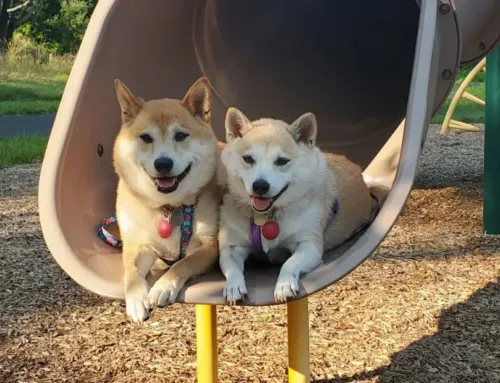

Dog separation anxiety is one of the most misunderstood behavior problems dog owners deal with, mostly because the internet is full of advice that sounds reasonable but doesn’t hold up. A destroyed door frame, a neighbor’s noise complaint, or a puddle by the front door isn’t your dog being “bad.” It’s usually panic.
Here’s what’s actually backed by veterinary behavior research, and what tends to make things worse.
What Is Dog Separation Anxiety, Exactly?
Separation anxiety describes a dog who becomes genuinely distressed, not just bored, when separated from a specific person or people. These dogs are usually overly attached to family members and show distress behaviors like vocalization, destruction, or house soiling specifically when separated from their owners.
The key word is distress. A dog who naps through your absence and chews a toy occasionally isn’t showing separation anxiety. A dog who starts panting and pacing the moment you pick up your keys is.
Signs Your Dog Has Separation Anxiety (Not Just Missing You)
Most dogs with separation anxiety show symptoms fast, and consistently, whenever they’re left alone.
Dogs usually show symptoms of separation anxiety within the first 15 to 30 minutes after their owner leaves, which is why a lot of owners never actually witness it themselves.
Common signs include:
- Destructive chewing or scratching, especially near doors and windows
- Persistent barking or howling that only happens when left alone
- Urinating or defecating indoors despite being fully house-trained
- Pacing, panting, or drooling excessively
- Attempts to escape crates, rooms, or the house entirely
- Following you from room to room and reacting anxiously as you prepare to leave
Dogs with separation anxiety are sometimes called “velcro dogs” because of how closely they stick to their person, though not every clingy dog has true separation anxiety. The distinguishing factor is what happens the moment you’re gone.
One thing worth ruling out first: signs that look like separation anxiety can also be caused by medical issues like urinary tract problems, gastrointestinal distress, or other conditions, so a vet visit is a reasonable first step before assuming it’s purely behavioral.
Why Do Dogs Develop Separation Anxiety?
There isn’t one single cause, and that’s part of why treatment isn’t one-size-fits-all.
Research out of the University of Lincoln, involving more than 2,700 dogs across 100+ breeds, identified four distinct emotional patterns behind separation-related distress: a focus on getting away from something inside the house, wanting to reach something outside, reacting to external noises, and a form of boredom. In other words, “separation anxiety” isn’t always the same experience for every dog.
Dogs sourced from shelters or separated from their litter before 60 days old appear more likely to develop separation-related problems, while a wide range of positive experiences outside the home between 5 and 10 months of age, stable routines, and avoiding punishment all seem to be protective.
Sudden changes matter too. A move, a new work schedule, a household change, or the loss of a companion animal can all trigger it, even in dogs who were previously fine being left alone. If you’ve recently moved to Austin with your dog, a temporary spike in clinginess isn’t unusual while they adjust.
What Actually Helps
Desensitization and Counterconditioning
This is the treatment with the most consistent research support, and it’s less complicated than it sounds.
The most effective behavioral intervention for separation-related problems is a combination of systematic desensitization and counterconditioning, where dogs are initially left alone for very short periods and the length is gradually increased over time.
In practice, this means:
- Practicing your “leaving cues” (keys, shoes, jacket) without actually leaving, so they stop predicting panic
- Starting with absences of just a few seconds to a couple of minutes
- Pairing departures with something genuinely rewarding, like a stuffed food toy
- Increasing duration gradually, based on how your dog actually responds, not a fixed schedule
Because progress has to be adjusted based on the dog’s reactions, and those reactions can be tricky to read, this kind of program is usually easiest with guidance from an experienced trainer or veterinary behaviorist.
Environmental Management
While you’re actively working through desensitization, your dog shouldn’t be repeatedly exposed to full-length absences that trigger panic, since that undoes the training. This might mean arranging daycare, a pet sitter, or a trusted friend for the workday while the training plan is underway.
Making the home itself feel safer matters too. Dog-proofing your space reduces the chance of an anxious dog injuring themselves or destroying something valuable while you’re gone.
Exercise and Mental Stimulation
Exercise doesn’t cure separation anxiety on its own, but a dog who’s had a real walk and some playtime before you leave is more likely to settle down once you’re gone, especially for high-energy breeds. A tired dog isn’t automatically a calm dog, but it does make the desensitization work easier.
Medication (For Moderate to Severe Cases)
For dogs with more significant separation-related behavior problems, medications like clomipramine or fluoxetine, prescribed by a veterinarian, are sometimes used alongside behavior modification, with the goal of gradually withdrawing medication as the dog improves. This isn’t a shortcut around training, it’s meant to make the dog calm enough for training to actually work.
Daycare and Structured Alternatives to Being Home Alone
One veterinary behaviorist specifically points to doggy daycare, boarding, or bringing a dog to work as alternatives worth considering instead of routinely leaving a dog home alone for extended stretches. For a dog whose anxiety is tied to long, unstructured hours alone, this can remove the trigger entirely rather than just managing around it.
This is where a lot of Austin dog owners land, especially with long commute times eating into the day. If you’re wondering whether that’s worth it for your specific dog, it usually depends on how long they’d otherwise be alone and how they respond to structured social time. We’ve seen dogs who arrive anxious on a Monday settle into a noticeably calmer rhythm once daycare becomes part of their week, largely because the unpredictability of being alone gets replaced with a routine they can actually anticipate.
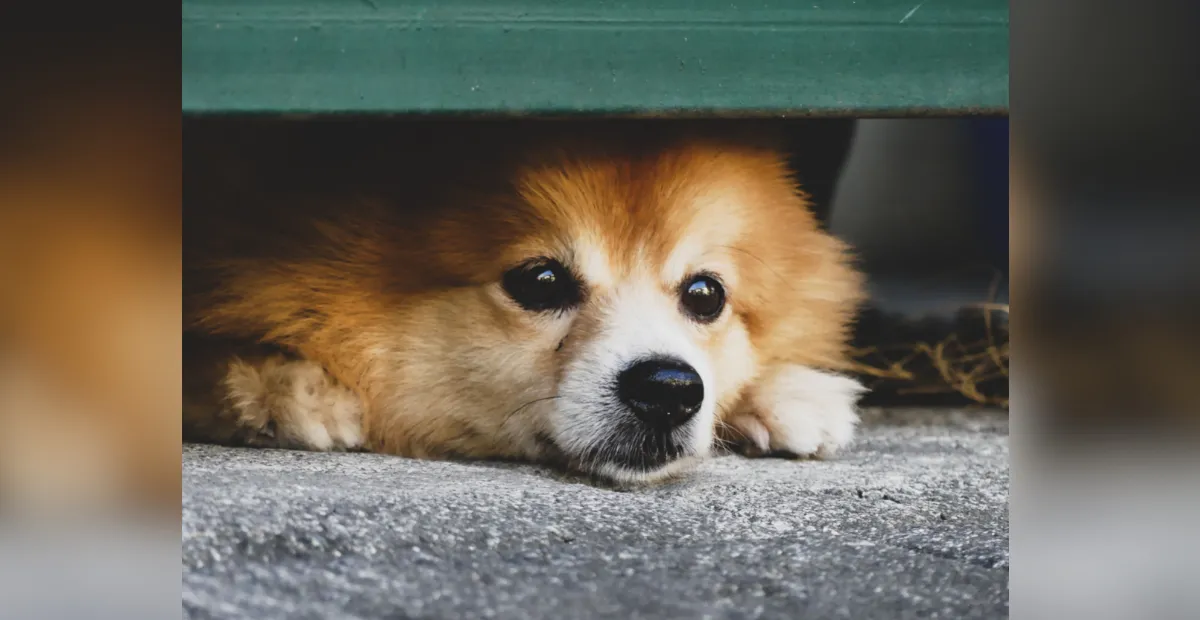
What Doesn’t Help (and Can Make It Worse)
A lot of common advice actively backfires with true separation anxiety.
- Punishment after the fact. Coming home to a destroyed couch and reacting with yelling teaches your dog to associate your return with getting scolded, not with having done anything wrong, since dogs don’t connect punishment to something that happened while you were gone.
- Crating without training. A dog with separation anxiety will often still show anxiety responses inside a crate, sometimes urinating, howling, or injuring themselves trying to escape it.
- Getting a second dog. A second dog rarely resolves separation anxiety, because the panic is tied to the owner’s absence specifically, not to being alone in general.
- Obedience school by itself. General obedience training is worthwhile for other reasons, but it doesn’t directly address a separation anxiety problem.
- Gradual departures done too fast. Attempting to speed through gradual departures, rather than letting the dog’s actual response set the pace, can backfire and make a dog more sensitive to being alone, not less.
When to See a Vet or Behaviorist
If your dog’s symptoms are severe (self-injury, panic-level distress, or no improvement after weeks of consistent desensitization work) it’s time to bring in a professional rather than keep troubleshooting alone. A vet visit is also worth doing early on, since some medical conditions can look identical to separation anxiety on the surface.
Frequently Asked Questions
Is my dog just being dramatic, or is this actually separation anxiety?
True separation anxiety is consistent. If the destructive behavior, barking, or accidents happen every single time you leave, regardless of how long you’re gone, that’s a stronger signal than an occasional bad day. A vet or trainer can help confirm the difference.
Can puppies develop separation anxiety, or does it only affect adult dogs?
Puppies can absolutely develop it, and early experiences play a real role. Gradual, positive exposure to short periods alone during puppyhood is one of the better ways to help prevent it from developing in the first place.
Will my dog just grow out of separation anxiety on its own?
Generally, no. Separation anxiety tends to stay the same or get worse without intervention, since the dog keeps rehearsing the same panic response every time it’s triggered.
Does daycare fix separation anxiety completely?
Daycare isn’t a cure on its own, but for dogs whose anxiety is largely tied to long stretches of unstructured alone time, it removes the specific trigger and gives them a predictable, social alternative. It works best alongside, not instead of, actual desensitization training for the times your dog is still home alone.
How long does it take to see improvement?
It varies by severity, but most behavior modification programs take several weeks of consistent, short training sessions before real improvement shows. Combining training with veterinary-prescribed medication, when appropriate, can sometimes shorten that timeline.
Is it okay to leave the TV or radio on for an anxious dog?
It can help take the edge off background noise sensitivity for some dogs, but it isn’t a fix for true separation anxiety on its own. Treat it as a small comfort measure, not a treatment plan.
Looking for Trusted Dog Daycare or Boarding in Austin?
If your dog’s anxiety is tied to long, unpredictable hours home alone, structured daycare can be part of the solution. At Barkingham Place, dogs get a home-like, cage-free environment with 24/7 human supervision, grouped play by size and energy level, and photo updates so you’re never left wondering how they’re doing. Every dog starts with a Meet & Greet, no commitment required, so we can see how your dog actually responds before making it part of their routine.
👉 Schedule a Meet & Greet with Barkingham Place
References
- Bestfriends.org – Separation Anxiety in Dogs: Causes, Signs, and Solutions
- Small Door Veterinary – Separation Anxiety in Dogs
- AVMA – New Research Identifies Root Causes of Separation Anxiety in Dogs
- VCA Animal Hospitals – Separation Anxiety in Dogs
- Veterinary Medicine at Illinois – Separation Anxiety in Pets: Your Questions Answered
- Veterinary Partner (VIN) – Separation Anxiety: The Fear of Being Alone
- Dove Medical Press / PMC – Canine Separation Anxiety: Strategies for Treatment and Management
- PubMed – Canine Separation Anxiety: Strategies for Treatment and Management
- AKC – Separation Anxiety in Dogs: Causes, Prevention, and How to Solve It
- Humane Colorado – Separation Anxiety
- PAWS Chicago – Separation Anxiety in Dogs
- ASPCA – Separation Anxiety
- Tails Pet Care – What Is the Best Treatment for Separation Anxiety in Dogs?