

"Dogs do speak, but only to those who know how to listen." — Orhan Pamuk, Nobel Prize-winning Turkish author.
Why Do Dogs Howl: Understanding and Managing This Instinctual Behavior 🐶
Dogs howl as a way to communicate, an instinct passed down from their wolf ancestors. They might howl to express emotions, such as loneliness or excitement, respond to high-pitched sounds like sirens, or alert you to their needs. Sometimes, howling is their way of marking territory or bonding with their humans. While often normal, excessive howling can also indicate pain, stress, or anxiety, so it’s essential to observe their behavior and context.
Dogs are known for their wide range of vocalizations, and howling is one of the most fascinating—and sometimes puzzling—ways they communicate. Whether your pup is an occasional howler or has made it a regular habit, understanding why dogs howl can help you better connect with your furry friend and address their needs.
In this blog, we’ll explore the reasons behind your dog’s howls, when it might signal a problem, and how you can manage this behavior effectively.
Why Is My Dog Howling?
Howling is deeply rooted in canine ancestry and is often a form of communication. While modern dogs howl for various reasons, the behavior is a carryover from their wild wolf ancestors. Here are some common reasons why dogs howl:
1. A Call for Communication
Howling is a natural way for dogs to communicate over long distances. Wolves use howls to locate pack members, mark their territory, or warn rivals to stay away. Your dog might be channeling this instinct when they:
-
Hear another dog howl in the neighborhood.
-
Respond to sirens, music, or other high-pitched sounds.
-
Try to get your attention or “talk” to you.
2. Expressing Loneliness
Dogs are social animals, and howling can be their way of expressing loneliness or separation anxiety. If your dog howls when left alone, they may be signaling their desire for companionship. Consider bringing your dog to Barkingham Place for a chance to socialize with other friendly pups. You can also explore Austin’s vibrant dog parks—check out curated list of the best ones in the city here!
3. Marking Territory
Howling can also serve as a territorial alert. Your dog might be howling to warn off perceived intruders, whether they’re people, other animals, or even delivery drivers.
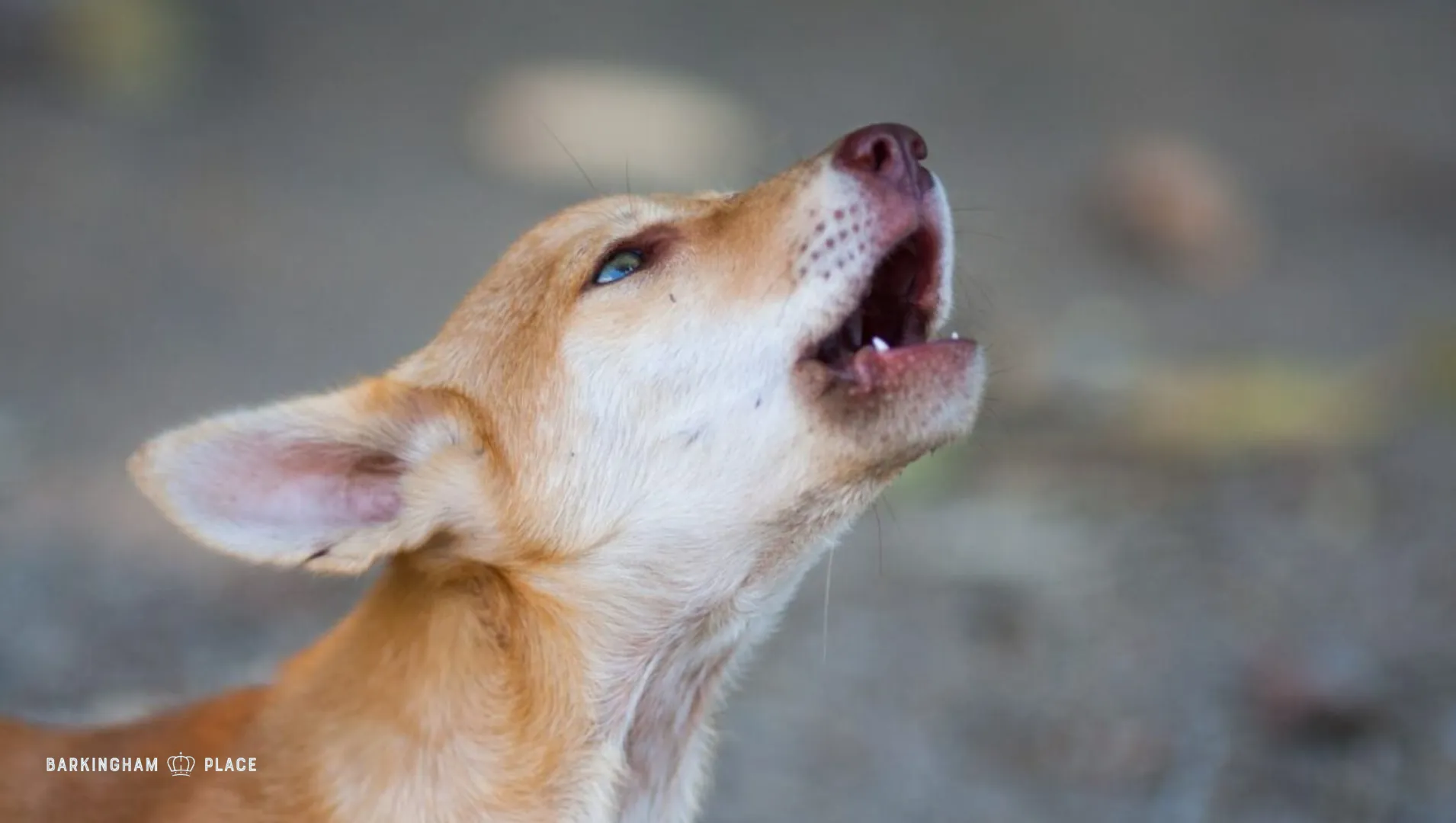
Why Does My Dog Howl When I Leave?
If your dog howls when you leave, it’s often a sign of separation anxiety or loneliness. Dogs are pack animals by nature, and being left alone can trigger stress or a desire to reconnect with their “pack” (you!). Howling is their way of calling out, hoping you’ll hear them and return. This behavior is especially common in dogs who are highly attached to their owners or lack proper socialization.
To help reduce this behavior, consider gradual desensitization training—practice leaving for short periods and gradually increase the time away. Providing mental stimulation like puzzle toys or leaving a piece of clothing with your scent can also comfort them. If the howling persists, enrolling your pup in a dog daycare like Barkingham Place can provide companionship and reduce their anxiety while you’re away.
By addressing the root cause and offering solutions, you can help your dog feel more secure and curb excessive howling when you leave.
When Howling Could Be a Problem
While howling is often normal behavior, it can sometimes indicate an underlying issue. Here’s what to watch for:
1. Medical Concerns
If howling is uncharacteristic for your dog or accompanied by other symptoms such as lethargy, loss of appetite, or limping, it may signal pain or discomfort. Common causes of medical-related howling include:
-
Injuries like a torn ligament or slipped disc.
-
Abdominal pain or digestive issues.
-
Cognitive dysfunction in older dogs.
When in doubt, consult your vet to rule out any health problems. Here is the list of top 20 vets in Austin.
2. Anxiety and Stress
Howling can also be a sign of anxiety or stress, especially in dogs prone to separation anxiety. If your dog howls excessively when you’re away, it might be worth addressing their environment or routine to help them feel more secure.
Managing Your Dog’s Howling
If your dog’s howling becomes disruptive or unwanted, there are strategies you can use to manage this behavior:
1. The Quiet Command
Teaching your dog the “quiet” command can help control excessive howling. Here’s how to do it:
-
Wait for your dog to howl, then show them a treat.
-
When they stop howling, say “quiet” and give them the treat.
-
Gradually increase the time they stay quiet before rewarding them.
2. Provide Mental and Physical Stimulation
Boredom or lack of exercise can contribute to howling. Regular walks, playtime, and puzzle toys can keep your dog engaged and reduce unwanted vocalizations.
3. Comfort and Security
If your dog howls due to anxiety or loneliness, providing them with comfort can help. Check this article to learn if your dog is getting enough social time. Try leaving an old shirt with your scent, using calming sprays, or playing soothing music when you’re away.
Strengthen Your Bond by Understanding Why Dogs Howl
Understanding why dogs howl is key to deepening your bond with them. Whether they’re channeling their wild ancestors, seeking your attention, or expressing discomfort, howling is just one of the many ways your dog communicates with you.
By observing their body language and the context of their howls, you can better address their needs and create a more harmonious relationship.
Ready for a Dog-Free Adventure?
If your travel plans can’t include your pup, let us provide a safe and loving environment for them while you’re away. At Barkingham Place, we offer exceptional dog daycare and boarding services in Austin, ensuring your dog enjoys a safe, fun, and loving environment while you’re away. Contact us today to learn more or schedule a stay—we’d love to care for your pup!